








PUBLISHED -
April 21, 2026
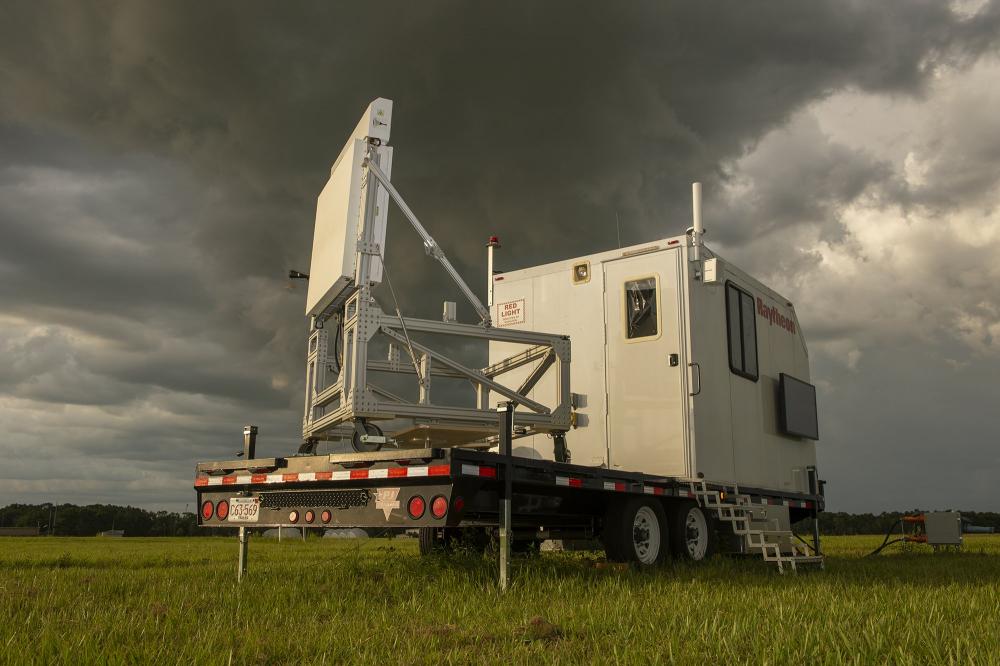
Skyz Radar System UX Transformation
The team executed a comprehensive design strategy:
User Research: Conducted interviews that revealed user needs extended far beyond the primary operator role.
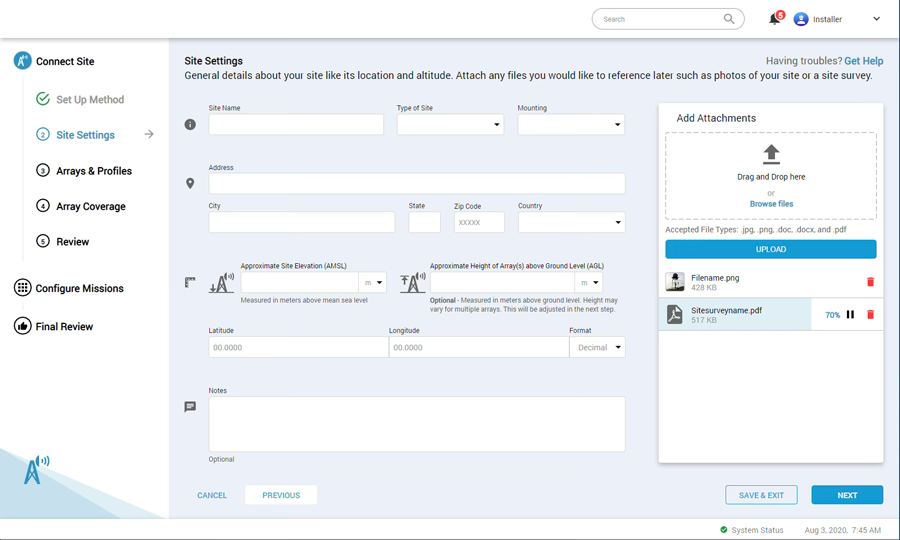
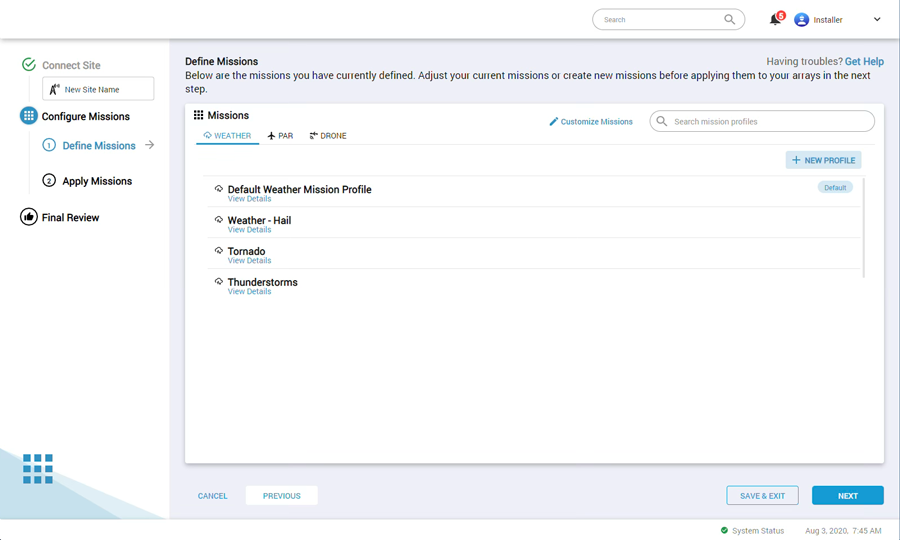
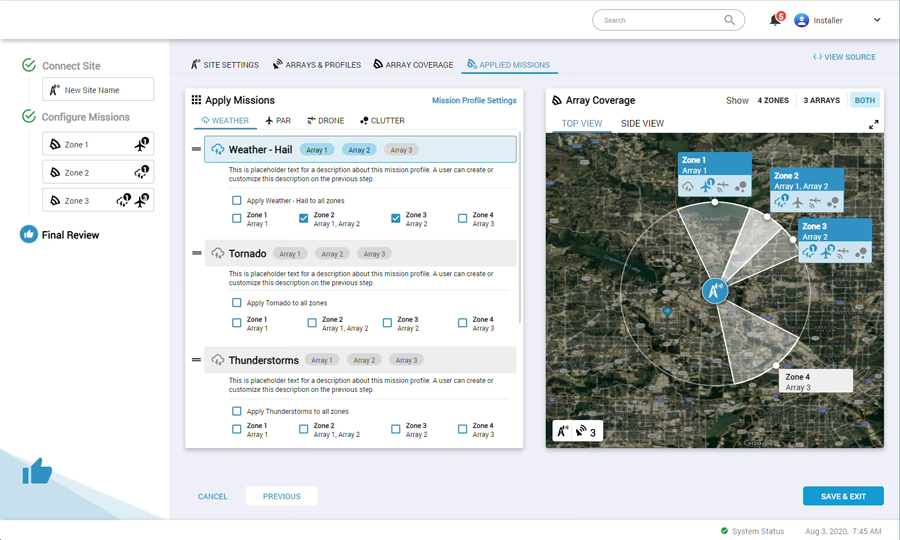
Workflow Design: Developed a Simple Setup Wizard for installers, replacing manual processes with a guided "Start from Scratch" workflow. This included an instructional tour and automated configuration steps for site details (location, altitude) and mission definitions.
Information Architecture: Re-engineered the navigation and site architecture to provide a unified Global Dashboard. This enabled situational awareness (SA) across single and multi-site environments through intuitive toggles and site mapping.
Role-Based Access: Defined clear user journeys for first-time and returning users, facilitating seamless permission hand-offs between installers and site controllers.

Results
Efficiency Gains: Installation productivity improved by up to 66%.
Cost Reduction: Addressed setup tasks that previously cost more than $14,000 per radar (up to $60K per site) in labor alone.
High Maturity: Achieved a Technical/Human Readiness Level (TRL/HRL) of 9/7 and supported 3 IP/Patent filings.
Recognition: The Skyler project was featured on NASA.gov for its advancements in radar science.
CREATE THE FUTURE, TODAY